Window Installation Facing West: SHGC, U-Factor and the Pane the Coating Sits On
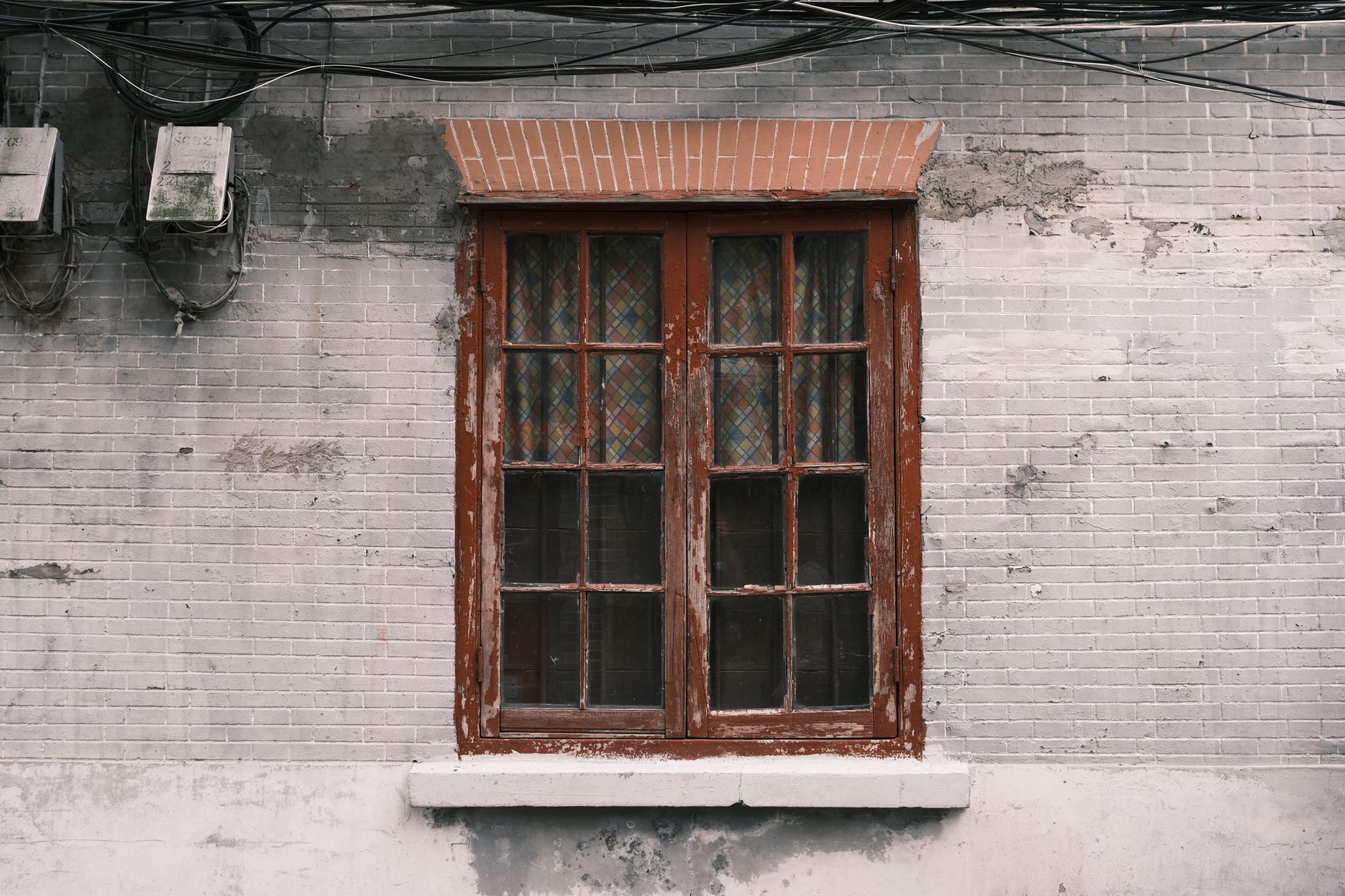
Four in the afternoon on a west-facing wall in an inland valley is a different problem from four in the afternoon anywhere near the coast. The ground outside has been absorbing sun since mid-morning, the air above it is dry and ten or fifteen degrees hotter than the forecast high at the airport, and the sun itself has dropped low enough to come in under whatever eave the builder bothered to put there. It is no longer overhead. It is pointing horizontally at the sofa.
That room is the reason there are two performance numbers on a window label instead of one, and it is also the reason the wrong one of those two gets quoted in most sales conversations. Both numbers describe real physics. Only one of them decides what the air conditioner does between three and seven in the afternoon from May through October.
Homeowners shopping professional riverside window installation tend to arrive with a vague sense that they want energy efficient windows and no sense of which efficiency they are buying. That is a fair place to start, but it leads to a house where every opening got the same glass, which means the north bedroom was overspecified and the west living room was underspecified, and the only room anybody complains about afterward is the one facing the sunset.
Two numbers that do completely different jobs
U-factor is about heat leaking through
U-factor measures how readily heat conducts through the whole assembly, glass, spacer, frame and all. A lower number means a better insulator. It is expressed per degree of temperature difference between inside and outside, which tells you immediately where it came from: it is a heating-climate number. It was developed to answer how much furnace heat escapes through a window on a cold night, and in a place with real winters it is the dominant figure.
A reasonable modern dual pane vinyl unit lands somewhere around the low thirties in hundredths. Pushing it lower costs money and buys a steadily shrinking return as the outdoor temperature gets closer to the indoor temperature. On a night when it is sixty outside and seventy-two inside, there is only twelve degrees of driving force. U-factor is working with almost nothing.
SHGC is about sunlight arriving as heat
Solar heat gain coefficient is the fraction of the sun's energy striking the window that ends up inside the room, as a decimal between zero and one. Clear uncoated double glazing passes roughly seven tenths of it. A good spectrally selective coating cuts that to around a quarter or a fifth.
The difference is not twelve degrees of conduction. Direct sun on a vertical surface delivers a few hundred watts per square meter, and a sliding glass door is several square meters. Turning seven tenths into two tenths on a large west-facing opening removes more load from a house in this climate than any U-factor improvement available at any price. State energy code in a hot inland zone reflects that: the prescriptive solar heat gain limit is the tighter constraint, and the U-factor limit is comparatively relaxed.
Orientation decides the specification, not the house
A window has no opinion about the room it is in. It responds to where the sun is, and the sun treats four walls four different ways.
West is the hard case and the expensive one. Afternoon sun strikes a west wall at a shallow angle, so an overhang above the window does nothing at all, and it arrives at the hottest part of the day when the building is already heat-soaked. West-facing glass wants the lowest solar heat gain the budget allows, and it wants it before it wants anything else.
East behaves the same geometrically but matters less, because the morning sun lands on a structure that cooled off overnight. Low gain glass still helps on an east-facing bedroom that bakes before breakfast.
South is the orientation that responds to shading. The summer sun is high at midday, so a modest overhang, a trellis or a deep porch blocks most of it, and in the handful of genuinely cool weeks a lower sun angle brings welcome warmth in. South glass can take a middle specification.
North gets no direct sun to speak of, only diffuse skylight. Low gain coatings buy almost nothing there, while they do reduce how much daylight gets in. A north-facing kitchen window with aggressive solar control glass is a room that feels dim for no benefit.
This is why a bid priced as one glass package across twenty openings is a bid that has not been thought about. Ordering per elevation costs a fabricator very little and changes how the house lives.
The coating is on one specific pane face, and which one matters
Low emissivity coatings are microscopically thin metal oxide layers, and inside a sealed insulated unit there are four glass surfaces available to put one on. They are numbered from the outside in, so the exterior face of the outer pane is the first surface, the cavity side of the outer pane is the second, the cavity side of the inner pane is the third, and the room-facing face is the fourth.
A coating on the second surface intercepts solar energy before it has crossed the air gap, so the heat it rejects is reradiated outward. That is the cooling-climate position. A coating on the third surface instead holds interior heat in, which is what a heating climate wants and which does far less for solar control. The same coating product in the same frame performs differently depending on which face the fabricator put it on, and two units can carry similar sounding descriptions with the coating in different places.
Nobody can see this from a showroom floor. It is visible on the certified performance label, which reports the finished numbers for the assembled unit, and that is the document worth asking for rather than a brochure. If a quote names a coating brand and no numbers, the numbers are the thing that was left out.
Tinted glass and spectrally selective glass are not the same trade
The old way to cut solar gain was to tint the glass. Bronze and gray body tints absorb energy across the whole spectrum, visible light included, so they reduce heat and daylight in roughly equal measure. The room gets cooler and also gloomier, and the glass itself gets hot, because absorbed energy has to go somewhere.
Spectrally selective coatings work by being choosy. They pass most of the visible band and reflect the near infrared, which is where a large share of the sun's energy sits and which human eyes cannot see anyway. The result is glass that looks nearly clear, keeps the view neutral rather than muddy, and still posts a low solar heat gain number.
The ratio to ask about is visible transmittance against solar heat gain. A high visible transmittance paired with a low solar heat gain is the mark of a selective coating doing its job. A tint gets a low solar heat gain number by taking the daylight with it, and that shows up on the label as both figures falling together.
Two side effects of absorption are worth knowing. Dark tinted glass and aftermarket films both raise the risk of thermal stress cracking, especially where part of a pane sits in shade from a column or a partly drawn blind while the rest is in full sun. And films applied to the inside of an existing unit can void a sealed unit warranty, which is a question to settle before the film goes on, not after a seal fails.
What the glass will not fix
Across the Inland Empire a great deal of the single story housing stock went up with shallow eaves, original aluminum frames and large living room glass facing the afternoon. New units handle the glass half of that honestly, and they do not touch the rest.
Frame conduction is part of the measured assembly number, which is why an uncoated thermally unbroken aluminum frame undercuts good glass. Air leakage is reported separately from both headline figures, and a loose sash leaks warm air past whatever coating it is holding. External shading still beats glazing on a west wall, so an awning, a screen, a pergola or a tree planted now will outperform another increment of coating later, because stopping sun before it reaches the glass is always more effective than managing it afterward.
Dust and wind matter too. Exterior solar screens and insect screens load up with fine dust through a dry summer and then get scoured by Santa Ana winds in the fall, so anything mounted outside the glass needs to be a product that can be taken down and washed rather than one that has to be replaced.
How to compare two bids on this
Ask for the certified label numbers per opening, not per house: U-factor, solar heat gain coefficient, visible transmittance and air leakage, each one stated for the unit actually being ordered in that size and configuration. Ask which surface the low emissivity coating sits on. Ask what the west and south elevations were specified differently from the north, and why.
Then ask what the installer expects the afternoon to feel like in the worst room. A crew that answers with the two numbers and a sentence about shading has thought about the building. A crew that answers with the words energy efficient has sold a product and left the orientation question for the homeowner to discover in August, which in Riverside is a slow and fairly unpleasant way to learn the difference between conduction and radiation.